How to Approach Steep Hills in a 4x4
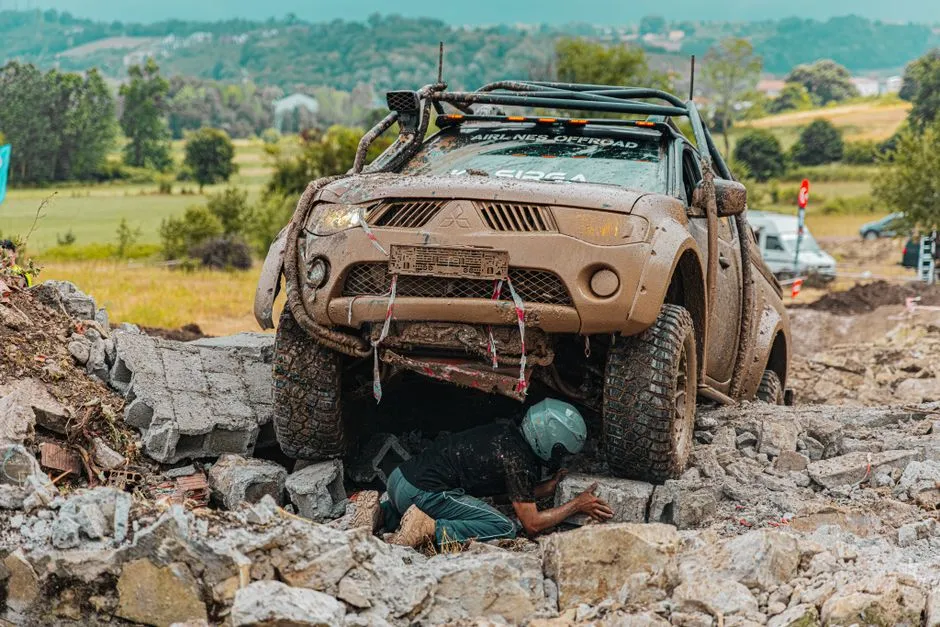
A steep hill needs a plan for up, down, and failed progress
Before entering a steep grade, confirm the route is legal, open, dry enough, within vehicle and driver capability, and clear beyond the visible crest. Inspect from a safe position and identify a straight line, traction changes, cross-slope, runoff, obstacles, stopping points, and a manufacturer-approved recovery or reverse procedure. If the hill has no safe failed-attempt plan, it has no first attempt.
Approach straight where possible
Climbing diagonally increases side slope and rollover risk. Align the vehicle before the grade, keep wheels pointed along the fall line where the legal trail permits, and avoid turning sharply on the hill.
Never begin until the crest and exit are clear of people and vehicles. A hood blocking the view is not evidence that the route continues politely.
Select the range before the slope
Use the exact manual to choose high or low range, gear, lockers, hill controls, and traction settings. Complete engagement while safely positioned. Low range can support slow throttle and engine braking, but it cannot create grip on loose or wet material.
Keep smooth, steady inputs. Sudden acceleration shifts weight and can break traction.
Keep enough momentum, not theater
The useful speed is the minimum that maintains controlled movement over the specific surface. Excess momentum reduces time to respond, increases bounce, and makes a failed line more severe. Wheelspin digs holes and slides the vehicle sideways.
If progress stops, follow the vehicle manual and trained procedure. Do not press the accelerator harder while stationary; four spinning tires are a trail-maintenance complaint with headlights.
Know the safe failed-climb method
Procedures differ for manual, automatic, hybrid, and electric drivetrains. A failed climb may require stopping, selecting a documented reverse or descent mode, keeping the engine running, and backing straight under controlled braking. Some vehicles have hill-descent or anti-stall features.
Learn and practice the exact method on low-risk terrain with an instructor. Never coast in neutral, roll backward uncontrolled, or turn across the slope.
Descend with controlled gearing
Inspect the descent, select the proper range and gear before the breakover, and use manufacturer-approved hill-descent systems. Let gearing manage speed where appropriate; apply smooth braking without locking wheels.
Do not depress a clutch and freewheel. Stop if brakes fade, warning lights appear, or steering control changes.
Respect changing traction
Rock shelves, loose soil, wet clay, snow, and exposed roots can change grip abruptly. Rain can make the descent impossible after an easy climb. Consider the return condition before going down anything that must later be climbed.
Use the rocky-line guide and one spotter. Keep everyone away from below the vehicle.
Watch temperature and load
Slow climbing can heat engine, transmission, electric drive, transfer case, and cooling systems. Monitor displays and smell. Stop in a safe level area for any warning, reduced power, smoke, or unusual odor.
Turn around early
Use the retreat decision for unknown crest, missing traction, no straight line, unsafe reverse, side slope, bad weather, excessive heat, or a driver who is no longer calm.
A successful hill looks almost dull: straight approach, chosen gear, smooth movement, clear crest, controlled descent. If spectators are requesting more throttle, they have volunteered for precisely none of the repair invoice.