How to Prepare for Your First 4x4 Trail
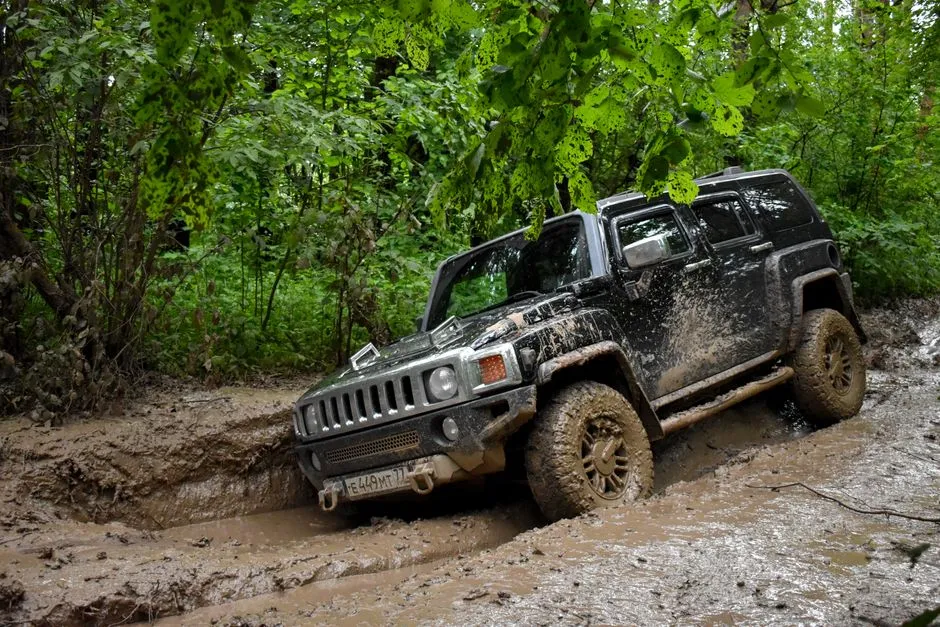
Your first 4x4 trail starts with route research
Choose a legal designated motorized route rated comfortably below the least experienced driver and least capable vehicle in the group. Confirm current land-manager rules, permits, seasonal closures, weather, fire restrictions, road conditions, daylight, communications, and vehicle requirements. Four-wheel drive is not a universal admission ticket. Some routes require clearance, tires, equipment, or skills your vehicle does not have.
Read the exact vehicle manual
Learn how to engage and disengage four-wheel drive, high and low range, locking differentials, hill-descent systems, traction controls, and any off-road modes. Note speed, surface, steering, shifting, towing, water, tire, and overheating restrictions.
4WD high versus low explains the concepts, but the manual decides what your transfer case permits. A dashboard icon is not permission to improvise driveline geometry.
Check the route against the vehicle
Compare trail width, surface, grades, ledges, water crossings, turning space, and escape routes with ground clearance, wheelbase, approach and departure geometry, tire construction, fuel or charge range, payload, and driver experience. Conditions can change after rain, wind, traffic, or grading.
Call the land manager or local authority when current information is uncertain. User photos can supplement official status; they do not reopen a closed road.
Inspect before departure
Check tires and full-size or temporary spare as applicable, cold road pressure, wheel fasteners, fluids through approved procedures, brakes, steering, cooling, battery, belts and hoses where accessible, recovery points, lights, wipers, underbody, and warning indicators. Address defects before leaving.
Secure passengers with seat belts and secure every cargo item. Loose gear becomes a cabin projectile when the trail finds one hole you did not.
Travel with a capable companion
For a first trip, join an experienced, responsible driver in another suitable vehicle. Agree on radio channels, spacing, hand signals, spotter authority, meeting points, and what triggers retreat. Never crowd an obstacle or stop where another vehicle may slide or roll.
One spotter directs a vehicle at a time. If signals disappear, the driver stops.
File a return plan
Tell a trusted person the exact route, trailheads, vehicles, occupants, check-in times, and who to contact if overdue. Carry offline maps and navigation appropriate to the land rules. Cell service is a convenience, not a remote-area plan.
NPS Mojave guidance emphasizes a return plan, adequate water and supplies, proper tires, communication, and turning around when a road becomes too rough.
Pack for delay, not just the drive
Build a route-specific emergency kit with water, food, medication, weather layers, lighting, first aid, communications, navigation, tire equipment, and legal warning devices. Confirm every person and pet has what they need if the vehicle remains overnight.
Create a recovery plan but do not carry unfamiliar gear as decoration. Stored energy and mismatched attachment points can turn help into injury.
Set simple driving rules
Stay on designated routes, drive slowly enough to stop within the visible clear path, yield as posted, avoid wet trails when closure or damage risk applies, and never drive around obstacles in a way that widens the trail. Stop before every uncertain feature and inspect from a safe legal position.
Your first trail should end with notes, not parts. Choose easy terrain, leave generous daylight, and turn around early. The goal is to learn what the vehicle and driver do calmly—before either one develops a dramatic personality.