How to Read Mud Before Driving Into It
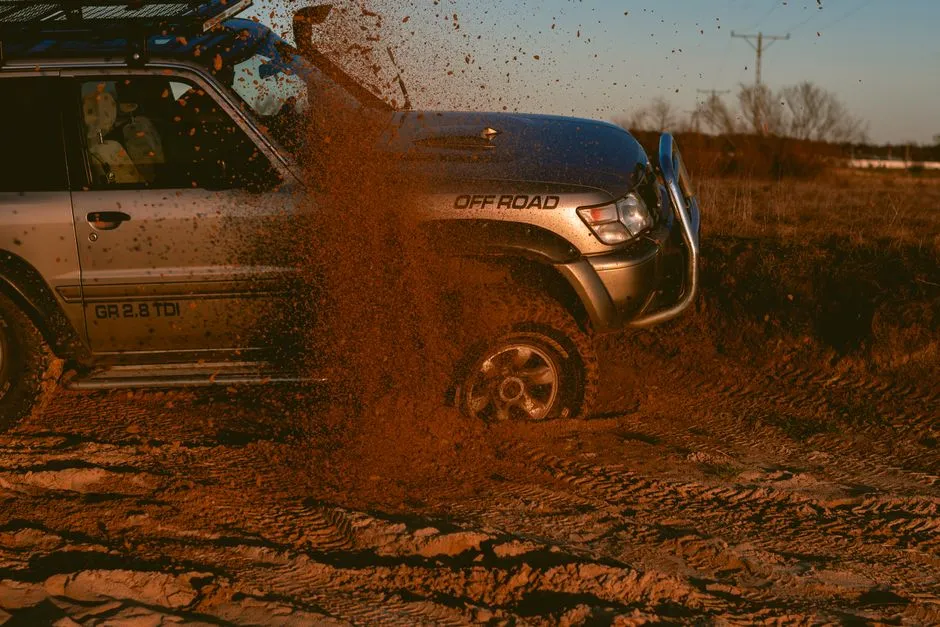
Read the mud before donating your vehicle to it
Start with current land-manager status. A muddy route may be closed, restricted, or vulnerable to damage even if a map calls it motorized. Stay on designated routes and do not drive around puddles in a way that widens the trail. When passage would cut deep ruts, damage drainage, or force a new line, turn around and return when the surface can support traffic.
From safe legal ground, look for slope, water flow, ruts, hidden edges, existing traffic, firm exits, and room to retreat. Never wade into contaminated, fast, deep, or uncertain water to test it.
Separate a wet surface from a deep trap
Mud varies from a slick film over firm ground to saturated soil that swallows tires, diffs, and dignity. Probe only where rules permit and where you can do so without entering traffic or hazardous water. Tracks do not prove the bottom is firm; they may be the opening chapter of somebody else's recovery.
If depth, bottom, route boundary, or exit cannot be confirmed, choose a different route.
Select the vehicle mode by the manual
Read the exact instructions for four-wheel drive, low range, differential locks, traction control, stability systems, transmission temperature, and speed limits. Engage modes before the obstacle where the manual requires it. Make smooth inputs and drive slowly enough to stop within the visible clear route.
Avoid abrupt steering and excessive wheelspin. Spinning tires can polish a firm base, throw debris, dig toward the underbody, and reduce steering control. Momentum may help on a short verified section, but speed cannot reveal a hidden hole.
Plan the exit and the recovery first
Before committing, know where every vehicle will stop, how following vehicles avoid the same trap, and whether a safe documented recovery direction exists. Build a recovery plan using identified points and compatible rated equipment. Keep bystanders outside wheel, line, vehicle, and slope danger zones.
Never attach recovery gear to a tow ball, suspension part, bumper of unknown design, or unidentified loop. If the vehicle is deeply embedded, leaning, damaged, near moving water, or positioned without a safe recovery path, call qualified professional recovery.
Tires matter, but they do not grant immunity
Tread design, construction, size approved for the vehicle, load, wear, and pressure all affect behavior. All-terrain and mud-terrain tires make different compromises, yet neither can guarantee traction on a saturated slope.
Do not copy a stranger's pressure setting. Follow exact vehicle and tire limits, account for load and speed, and restore specified road pressure before pavement.
Inspect once you reach firm ground
Mud can pack wheels, brakes, steering, suspension, cooling surfaces, and underbody cavities. On safe level ground, check for warnings, leaks, lodged debris, tire damage, vibration, changed steering or braking, and obstructed airflow. Clean only with methods allowed by the vehicle instructions and local runoff rules.
Turn around when the trail is closed, damage is likely, the bottom or exit is uncertain, the vehicle repeatedly loses progress, or recovery would expose people to uncontrolled energy. The best mud story is occasionally, “We saw it, made tea later, and did not need a tractor.”